
INTRODUCTION
Understand the facade as the building envelope and compare aluminium, timber, fibre cement, concrete and ceramic design considerations.
What is a building facade?
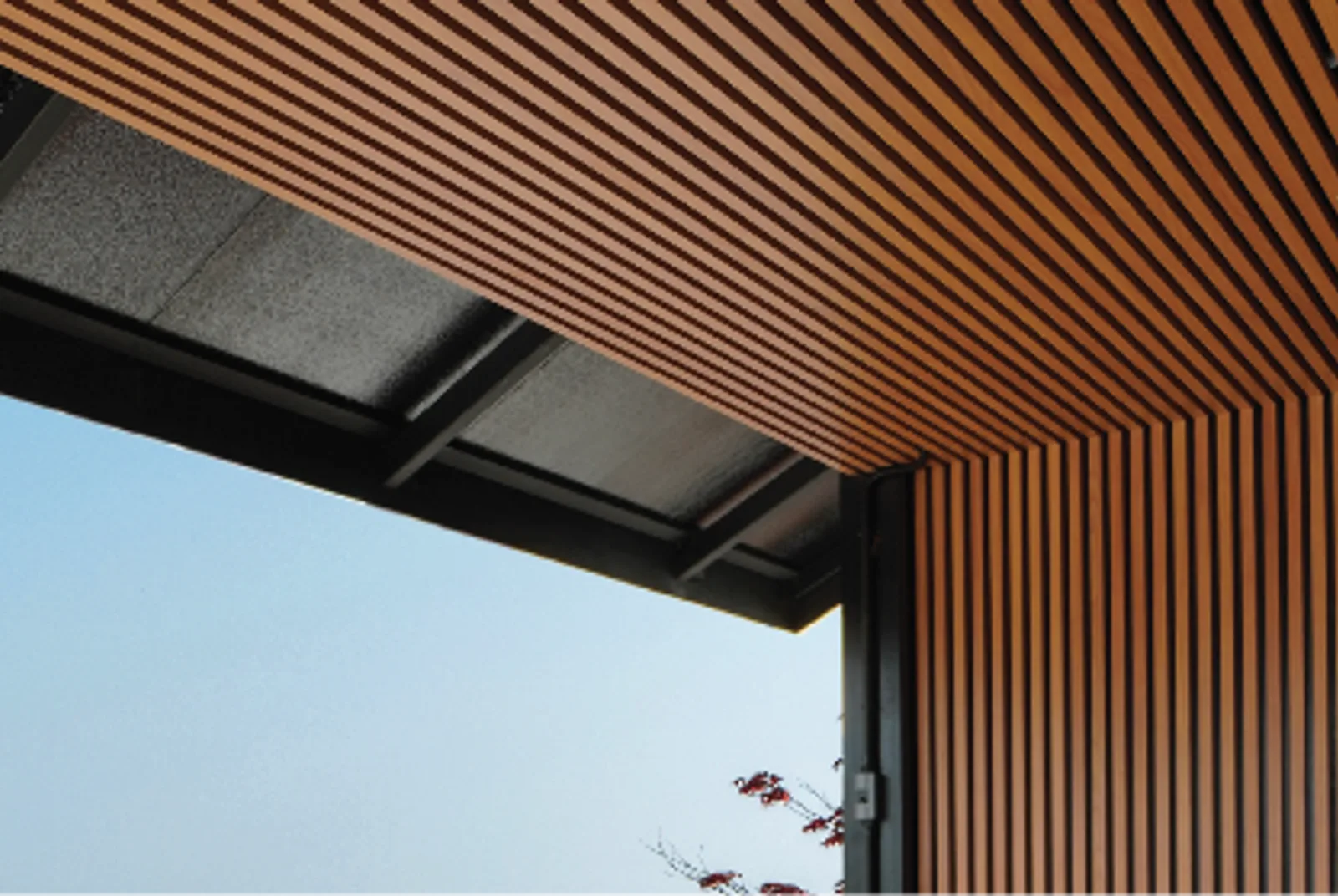
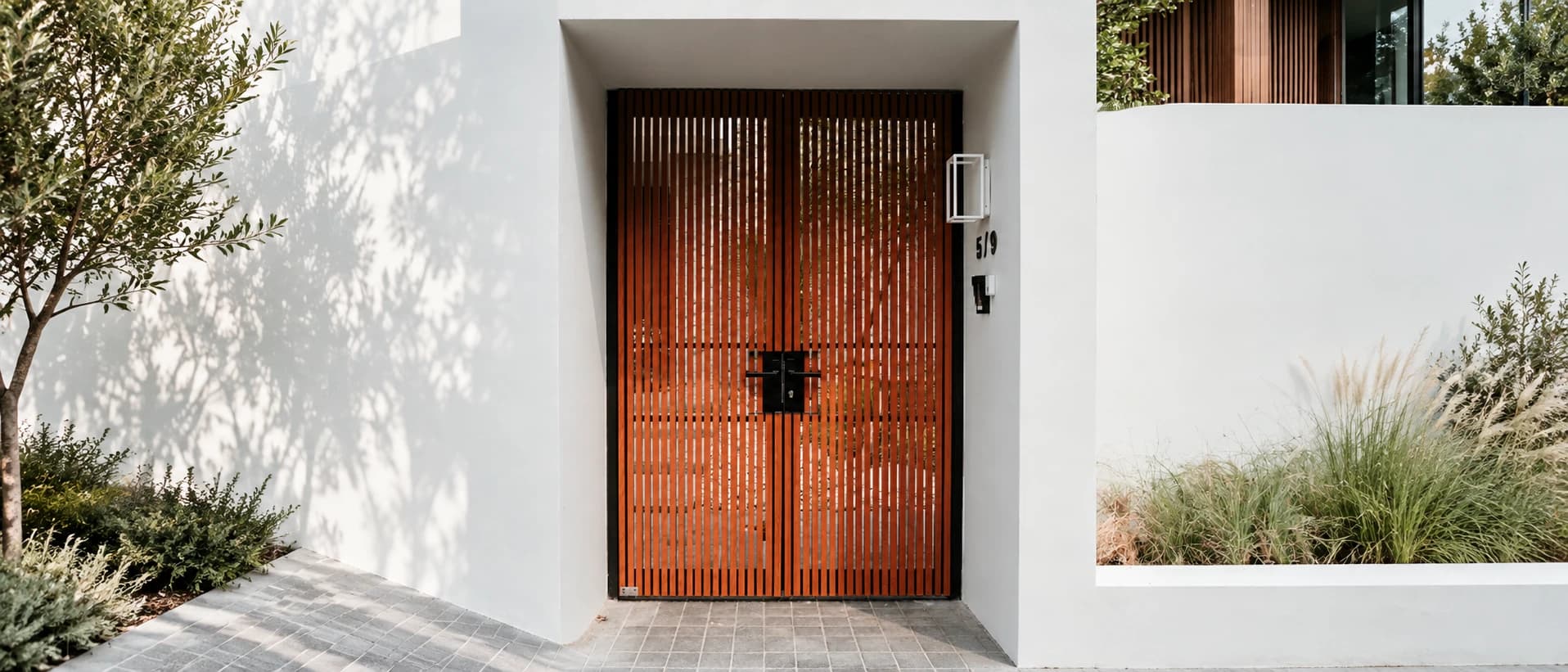
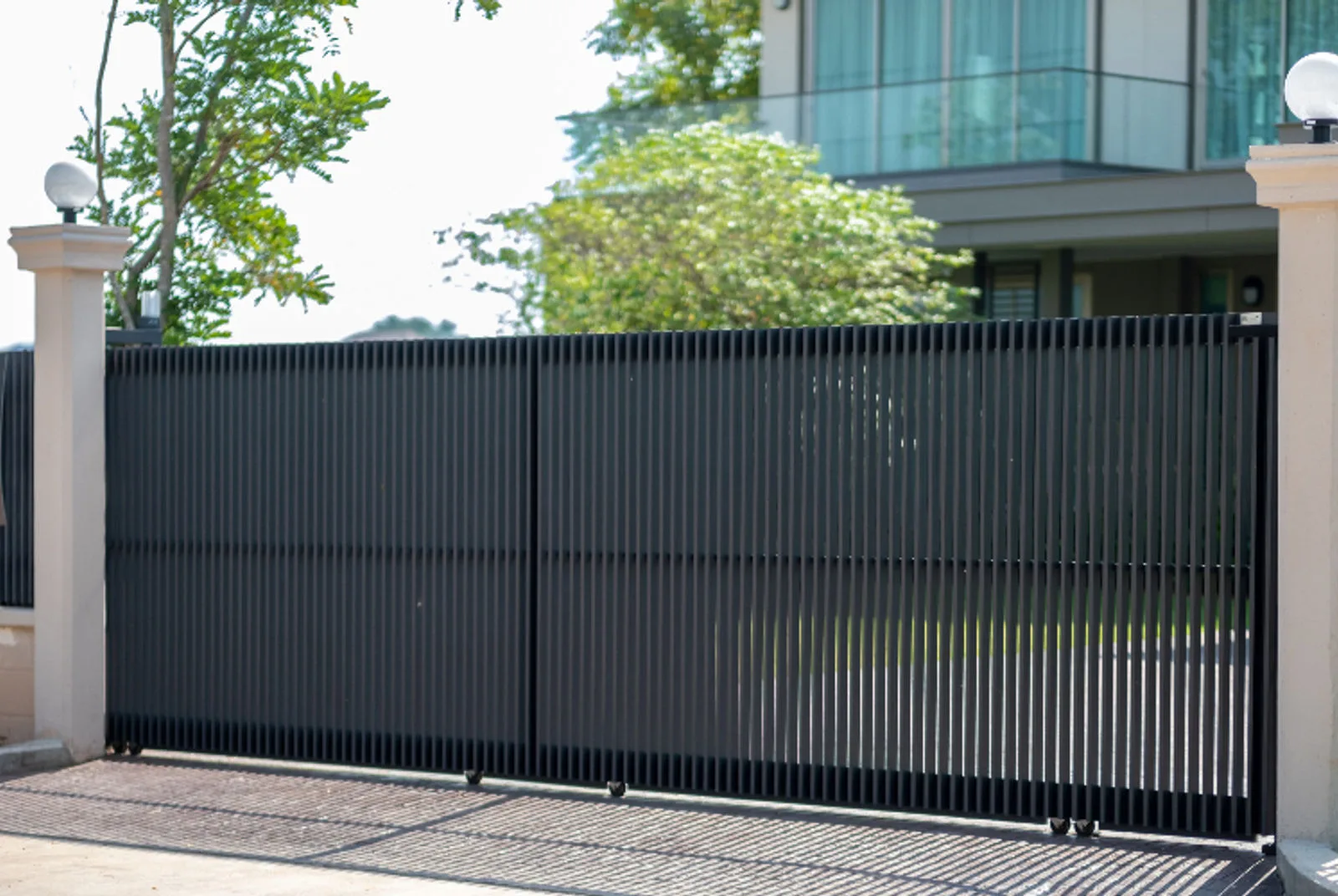
A facade is the face or outer envelope of a building. It shapes the architectural character through walls, openings and related elements. An aluminium batten screen can form one layer of this composition, with a different role from the weather-sealed wall behind it.
What does a facade do?
The facade gives the building an identity and manages exposure to sun, wind and rain through the complete envelope design. Open battens can filter direct light and views while allowing airflow. They do not by themselves create a waterproof or sound-insulating wall.
Gives a beautiful appearance. Because the front of a building is often the most visible part. Therefore, it is the main architectural element that contributes to creating an impression on passersby. to see the uniqueness of the building
Weather protection. Facades protect the inside of a building from environmental elements such as rain, wind, and sun. Facades are designed to withstand weather conditions. Prevents water infiltration and other weather damage.
Helps with ventilation or cooling. make the house cooler Or can make the house warmer in the winter.
Limit sunlight entering the building. in which Fasad will play an important role Whether it's windows, slats, or other components.
Reduce noise pollution a little or a little. It depends on the material chosen to make the facade.
Which facade material is worth considering?
Aluminium — 1. Aluminum facade Highlights of aluminum facades There will be as follows Timber adds warmth but needs care against weathering and insects.
Fibre cement — Boards can provide a timber-like or panelled appearance; consider their weight, joints and supporting frame.
Concrete — Concrete creates a substantial architectural form and needs appropriate structural support and crack detailing. 2. Wood Ceramic cladding can provide a durable surface, but its weight, brittleness and fixing system require careful specification. 3. Fiber cement Fiber cement is quite durable. It feels like wood and can be transformed into many different forms. Resistant to insects and moisture But it is a relatively expensive material. Takes time to install Must maintain frequently and has a lot of weight 4. Concrete Concrete facade Often used in modern architecture. Can be modified into many shapes But it is a relatively heavy material. May crack or break when used for a long time, so maintenance is required more frequently than aluminum materials. 5. Ceramic Ceramic is a material that is used in many ways. Whole tile Including using it to make facade as well. It is a material that is durable to the environment. But it has the disadvantages of being easily broken, high price, and difficult to install. It is quite heavy and the color may peel off over time when exposed to sunlight for a long time. Facades are additions to buildings to increase beauty and respond to building design needs. which we recommend aluminum facade which has advantages ranging from being highly durable, lightweight, and responding to modern design